
Manufacturing Process
Sintered NdFeB Magnet Manufacturing Process
High-performance neodymium magnets are produced through a complex powder metallurgy process. Each production stage is carefully controlled to ensure stable magnetic performance, precise dimensions, and reliable corrosion resistance.
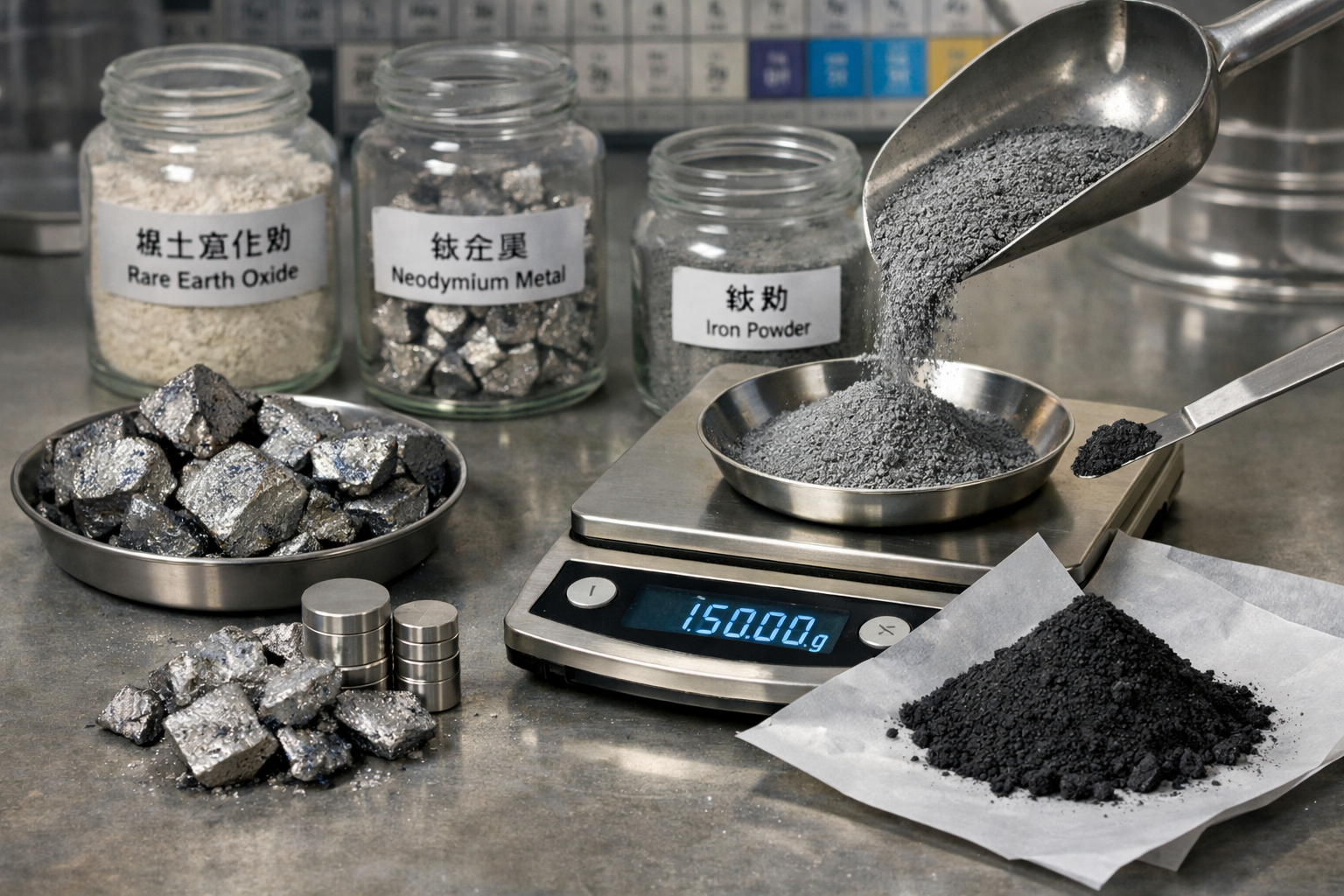
1. Raw Material Preparation
Production Description
The production of sintered NdFeB magnets begins with the preparation of high-purity raw materials, mainly Neodymium (Nd), Praseodymium (Pr), Iron (Fe), and Boron (B). These materials are accurately weighed according to specific alloy formulas to achieve the desired magnetic properties.
Quality Inspection
Chemical composition analysis
Purity inspection of rare earth metals
Material traceability verification
Impact on Magnet Performance
The composition of raw materials directly determines the remanence (Br) and coercivity (Hcj) of the final magnet. Precise control of rare earth elements ensures stable magnetic performance.

2. Alloy Melting & Strip Casting
Production Description
The raw materials are melted in a vacuum induction furnace to form a homogeneous NdFeB alloy. The molten alloy is then rapidly cooled through a strip casting process, forming thin alloy flakes with uniform microstructure.
Quality Inspection
Alloy composition analysis
Microstructure examination
Oxygen content testing
Impact on Magnet Performance
Uniform alloy microstructure ensures better grain distribution, which improves magnetic strength and stability.
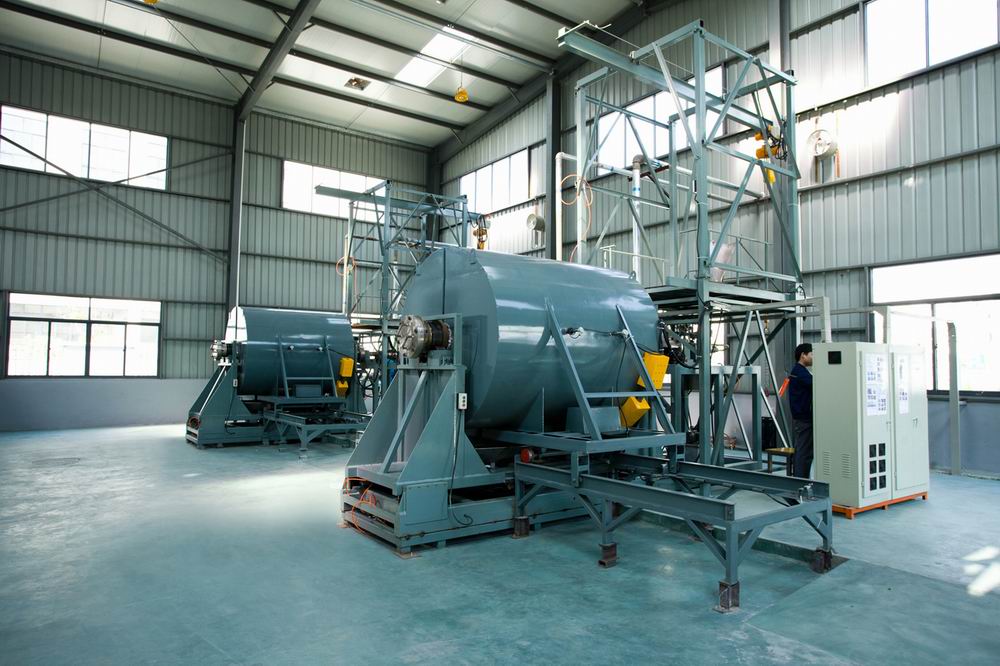
3. Hydrogen Decrepitation (HD)
Production Description
The alloy flakes are exposed to hydrogen gas, which penetrates the material and causes it to break into coarse powder. This process helps prepare the alloy for further fine milling.
Quality Inspection
Powder particle size distribution
Hydrogen reaction control
Impact on Magnet Performance
Proper hydrogen decrepitation ensures uniform powder structure, which improves magnetic orientation during pressing.
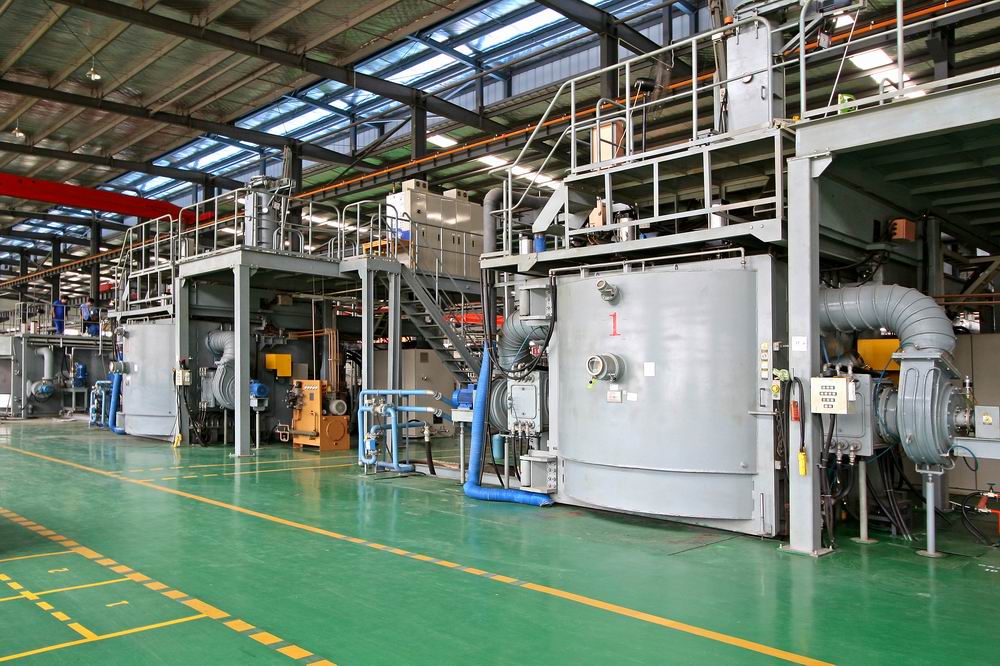
4. Jet Milling
Production Description
The coarse powder is further refined using jet milling technology to produce extremely fine magnetic powder, typically around 3–5 microns in particle size.
Quality Inspection
Particle size measurement
Powder oxygen level monitoring
Powder flowability testing
Impact on Magnet Performance
Fine powder particles allow better magnetic alignment, which increases maximum energy product (BHmax).
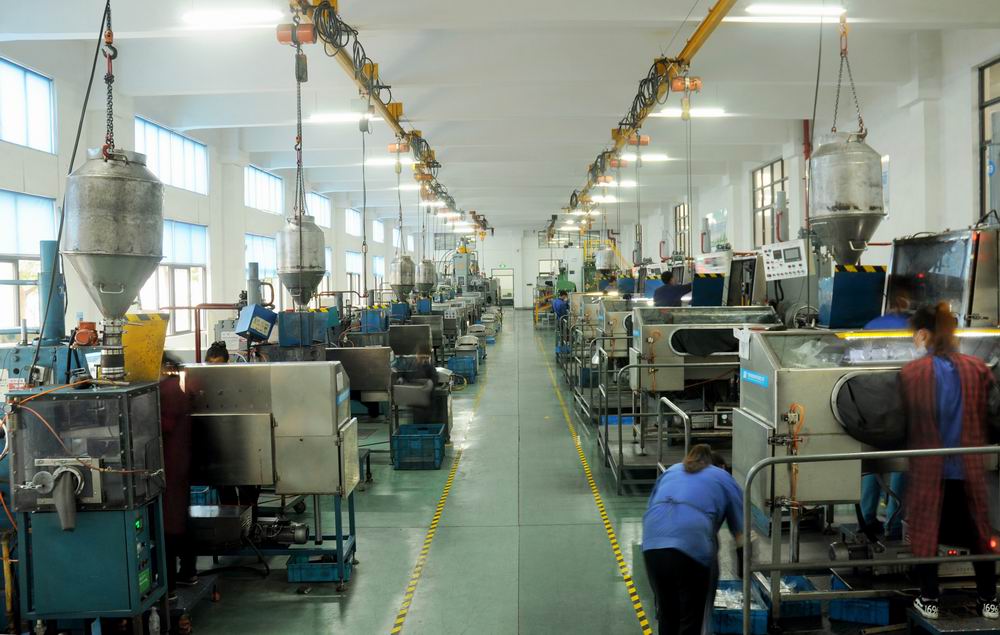
5. Magnetic Field Pressing
Production Description
The fine magnetic powder is placed in a mold and compressed under a strong magnetic field, which aligns the magnetic domains in one direction.
Quality Inspection
Density inspection of green compact
Orientation consistency check
Impact on Magnet Performance
Magnetic alignment during pressing is critical for achieving high remanence (Br) and strong magnetic output.
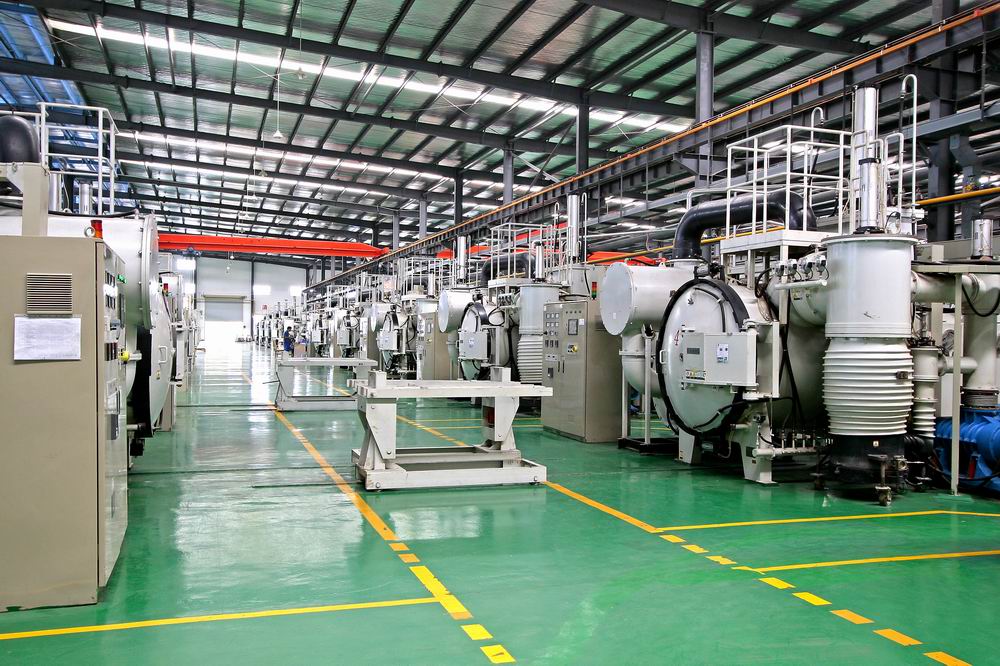
6. Vacuum Sintering & Aging
Production Description
The pressed magnets are sintered in a high-temperature vacuum furnace (typically around 1000°C). During this stage, powder particles bond together to form a dense solid magnet. Aging heat treatment is then applied to stabilize the magnetic structure.
Quality Inspection
Density testing
Microstructure analysis
Initial magnetic property testing
Impact on Magnet Performance
Sintering determines the final density, coercivity, and structural stability of the magnet.
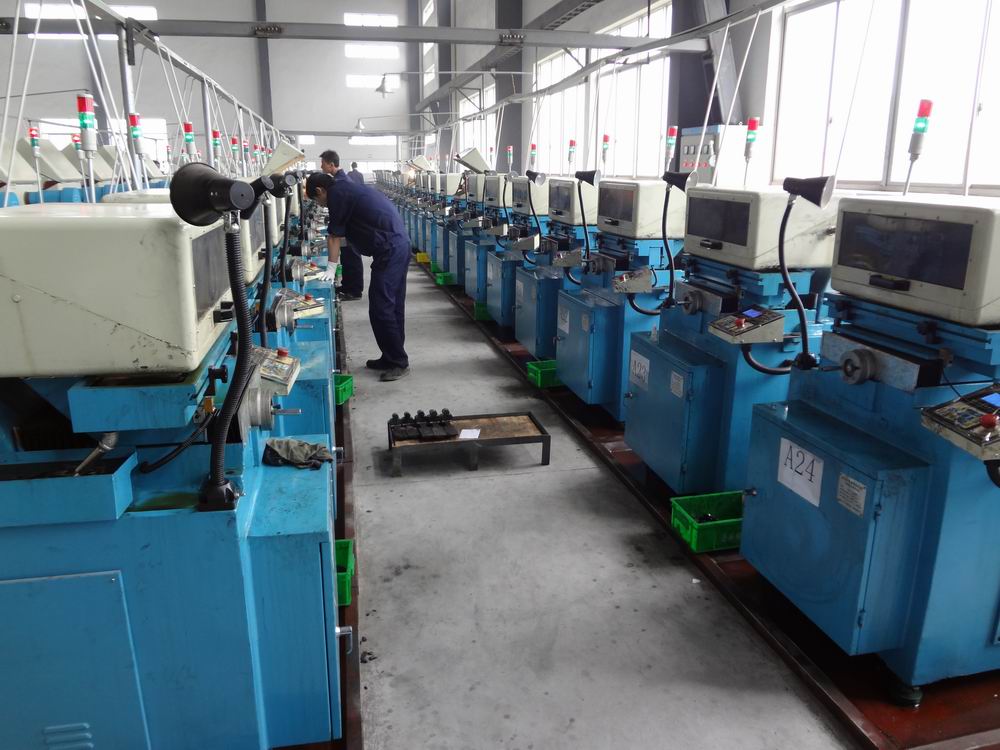
7. Precision Machining
Production Description
Sintered magnets are hard and brittle, so they are machined using diamond grinding or wire cutting to achieve precise dimensions and tolerances.
Quality Inspection
Dimensional measurement
Surface finish inspection
Tolerance verification
Impact on Magnet Performance
Accurate dimensions ensure correct magnetic field distribution in the final application.
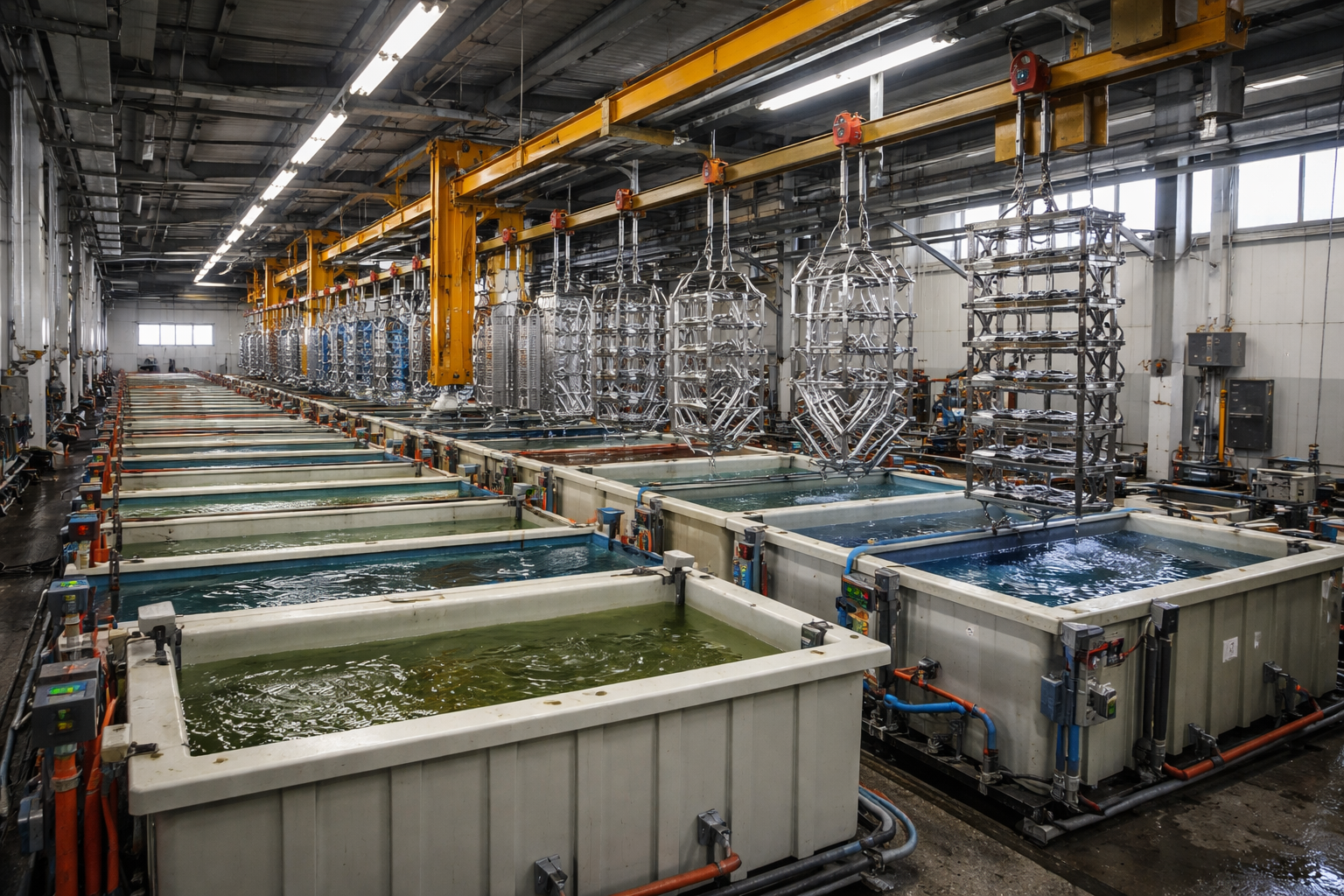
8. Surface Coating
Production Description
NdFeB magnets are naturally prone to corrosion, so protective coatings are applied to improve durability. Common coatings include:
Ni-Cu-Ni (Nickel plating)
Zinc coating
Epoxy coating
Phosphate coating
Quality Inspection
Coating thickness measurement
Adhesion testing
Salt spray corrosion test
Impact on Magnet Performance
Protective coatings significantly improve corrosion resistance and service life.
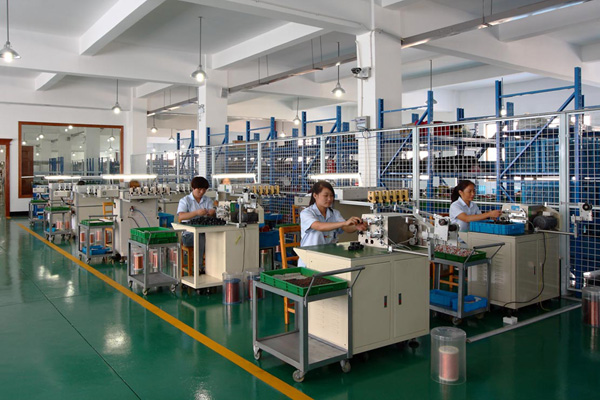
9. Magnetization
Production Description
After coating, the magnets are exposed to a high-intensity magnetic field to align the internal magnetic domains permanently.
Quality Inspection
Flux measurement
Magnetic pole verification
Magnetization direction testing
Impact on Magnet Performance
Proper magnetization ensures the magnet reaches its designed magnetic strength.

10. Final Inspection & Packaging
Production Description
Before shipment, each batch undergoes strict final inspection to ensure all specifications meet customer requirements.
Quality Inspection
Magnetic property testing (Br, Hcj, BHmax)
Dimensional inspection
Coating inspection
Flux testing
Impact on Magnet Performance
Final inspection guarantees consistent quality and reliable performance in the customer's application.
Summary
The manufacturing of sintered NdFeB magnets involves precise control at every stage, from raw material preparation to final magnetization. Strict quality inspection throughout the process ensures that each magnet delivers high magnetic strength, stable performance, and long service life.
Contact Us
Looking for high-performance magnets for your application?
Contact us today to discuss your project and receive customized magnet solutions.
Request a Quote
Send Your Drawing