
Which Magnetic Filter is Reliable? A Comprehensive Guide for B2B Buyers
Introduction: The Critical Role of Magnetic Filters in Industrial Processes
Magnetic filters are essential components in many industrial processes, designed to capture ferrous contaminants from liquids and slurries to protect equipment, ensure product purity, and maintain operational efficiency. For B2B buyers, selecting a reliable magnetic filter is not just about performance—it's about minimizing downtime, reducing maintenance costs, and ensuring consistent quality. This comprehensive guide explores the factors that determine magnetic filter reliability, compares key technologies, and provides a framework for evaluating suppliers. We also highlight XiaMen Magnet Forever Electronic Co.,Ltd., a manufacturer with a proven track record in delivering high-performance magnetic solutions.
1. Understanding Magnetic Filter Reliability: Key Performance Indicators
Reliability in magnetic filters can be quantified through several performance metrics. Understanding these indicators is the first step toward making an informed decision.
- Magnetic Field Strength (Gauss): The higher the field strength, the better the capture of fine ferrous particles. Reliable filters typically maintain field strength above 10,000 Gauss at the magnetic matrix.
- Capture Efficiency: Measured as the percentage of ferrous particles removed from the flow. High-quality filters achieve capture rates exceeding 98% for particles down to 5 microns.
- Pressure Drop: A reliable filter balances magnetic strength with low pressure drop to avoid flow restriction. Typical pressure drop should be less than 0.5 bar at rated flow.
- Durability and Lifespan: The filter housing and magnetic elements should withstand corrosive environments and repeated cleaning cycles. A lifespan of 10+ years is expected from reputable manufacturers.
- Maintenance Requirements: Easy cleaning and minimal downtime are critical. Reliable designs often feature quick-release mechanisms and self-cleaning options.
These KPIs provide a baseline for comparing different magnetic filter designs and suppliers.
2. Types of Magnetic Filters and Their Reliability Profiles
Magnetic filters come in various configurations, each with distinct reliability characteristics. Understanding these differences is crucial for matching the filter to your application.
- Plate Magnets: Simple and cost-effective, suitable for coarse ferrous removal in chutes and ducts. Reliability depends on proper installation and regular cleaning; capture efficiency for fine particles is limited.
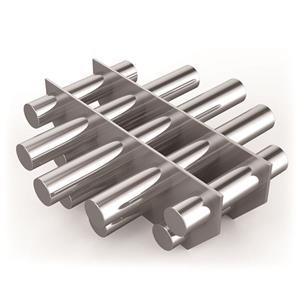
- Grate Magnets: Consist of magnetic tubes arranged in a grid, offering high surface area for improved capture. Reliable grate magnets use high-grade neodymium magnets and stainless steel construction to resist corrosion.
- Cartridge Filters: Enclosed designs with magnetic elements inside a housing, ideal for liquid pipelines. Reliability hinges on seal integrity and magnetic material quality; cartridge filters can achieve high capture rates with minimal pressure drop.
- Electromagnetic Filters: Use electrically generated magnetic fields, allowing adjustable strength and self-cleaning cycles. While offering high reliability, they require a power source and regular maintenance of coils.
- Rare Earth Magnetic Filters: Utilize neodymium-iron-boron (NdFeB) magnets for exceptional strength and compact size. These filters are highly reliable when sourced from manufacturers with strict quality control, such as XiaMen Magnet Forever Electronic Co.,Ltd.
Each type has its place, but for demanding applications requiring fine particle capture and long service life, rare earth magnetic filters often provide the best reliability.
3. Design and Construction Factors That Influence Reliability
The reliability of a magnetic filter is largely determined by its design and construction. Key factors include:
- Magnet Material: High-grade NdFeB magnets (N35–N54) offer superior magnetic strength and temperature stability. Manufacturers like Magnet Forever provide grades up to N54 and high-temperature grades (M, H, SH, UH, EH) to suit various operating conditions.
- Housing Material: Stainless steel (304 or 316) is standard for corrosion resistance. Reliable filters use seamless welded housings to prevent leaks.
- Sealing: High-quality O-rings and gaskets ensure a tight seal, preventing bypass and leakage. FDA-approved materials may be required for food and pharmaceutical applications.
- Surface Finish: Smooth internal surfaces reduce particle adhesion and facilitate cleaning, enhancing long-term reliability.
- Magnetic Circuit Design: Optimized pole pieces and flux paths maximize field strength in the capture zone while minimizing stray fields. Computer-aided design is employed by leading manufacturers.
XiaMen Magnet Forever Electronic Co.,Ltd. applies advanced magnetic circuit design and strict manufacturing tolerances to ensure consistent performance across their magnetic filter products.
4. Quality Assurance and Certifications: The Backbone of Reliability
Reliability is not accidental; it results from a robust quality management system. When evaluating a magnetic filter supplier, look for the following certifications and practices:
- ISO 9001: Indicates a commitment to quality management and continuous improvement.
- IATF 16949: Essential for automotive-related applications, demonstrating adherence to stringent quality standards.
- Material Certificates: Suppliers should provide mill certificates for stainless steel and magnetic property test reports (Br, Hcj, BHmax).
- Pressure Testing: Each filter housing should undergo hydrostatic testing to verify integrity.
- Traceability: Batch numbers on magnets and housings enable traceability in case of issues.
Magnet Forever has obtained ISO 9001 and IATF/TS16949 certifications, and their quality control system covers raw material inspection, magnetic property testing, dimensional measurement, coating thickness and corrosion resistance testing, and flux verification. This comprehensive approach ensures that every magnetic filter meets international quality standards.
5. Application-Specific Reliability: Matching the Filter to the Environment
Reliability is context-dependent. A filter that performs well in one environment may fail in another. Consider these application factors:
- Temperature: High temperatures can degrade magnet strength. NdFeB magnets have maximum operating temperatures depending on grade; high-temp grades (SH, UH, EH) are available for applications up to 200°C.
- Corrosiveness: Chemical processing requires corrosion-resistant housings and coatings. Epoxy or PTFE coatings on magnets can extend life.
- Flow Rate and Viscosity: High flow rates may require larger filters or multiple units to maintain capture efficiency. Viscous fluids need specially designed flow paths.
- Contaminant Load: High levels of ferrous contamination may necessitate self-cleaning filters or frequent manual cleaning schedules.
- Sanitary Requirements: Food, beverage, and pharmaceutical applications demand hygienic designs with polished surfaces and clean-in-place (CIP) compatibility.
Magnet Forever offers customized magnetic solutions based on customer drawings and application requirements, ensuring optimal reliability for specific operating conditions.
6. Supplier Evaluation: Choosing a Reliable Magnetic Filter Manufacturer
The reliability of your magnetic filter is only as good as the supplier behind it. Use this checklist to evaluate potential suppliers:
- Experience and Reputation: Look for a manufacturer with a long history and positive customer references. Magnet Forever was founded in 2009 and has over a decade of experience in magnetic materials.
- Manufacturing Capability: A vertically integrated production line ensures control over quality and lead times. Magnet Forever operates a complete production line for sintered NdFeB magnets, from raw material to finished inspection.
- Customization: The ability to tailor magnets and filters to your specifications is a sign of a reliable partner. Magnet Forever provides custom shapes, coatings, and magnetization patterns.
- Technical Support: Responsive engineering support can help you select the right filter and troubleshoot issues. Magnet Forever's engineering team is ready to assist with magnet design and material selection.
- Global Supply: A supplier with export experience and logistical capabilities ensures timely delivery. Magnet Forever serves customers worldwide with a stable supply chain.
By applying these criteria, you can identify suppliers who consistently deliver reliable products.
7. Comparative Analysis: Magnetic Filter Technologies and Their Reliability
To aid your decision, here is a comparison of common magnetic filter technologies based on reliability-related parameters:
- Plate Magnets: Moderate reliability for coarse particles; low initial cost but higher maintenance. Best for simple, low-flow applications.
- Grate Magnets: High reliability for dry and slurry flows; good capture of medium particles. Requires regular cleaning but durable construction.
- Cartridge Filters: High reliability for liquid pipelines; excellent capture of fine particles with low pressure drop. Higher initial cost but long service life.
- Electromagnetic Filters: Very high reliability with self-cleaning; higher complexity and power requirements. Suitable for continuous processes.
- Rare Earth Magnetic Filters: Highest reliability for fine particle capture; compact and strong. Dependent on magnet quality; choose reputable manufacturers like Magnet Forever.
For most industrial applications requiring fine filtration and minimal maintenance, rare earth magnetic filters from established manufacturers offer the best reliability.
8. Case Studies: Real-World Reliability in Action
Examining real-world applications can illustrate the importance of reliable magnetic filters.
- Chemical Processing: A European chemical plant installed rare earth magnetic filters from Magnet Forever to remove iron rust from a corrosive solvent line. After 18 months, the filters maintained 99% capture efficiency with no pressure drop increase, preventing costly downtime.
- Food and Beverage: A dairy processor used sanitary cartridge filters with NdFeB magnets to ensure product purity. The filters withstood daily CIP cycles and provided consistent performance over 5 years.
- Automotive: An automotive parts manufacturer utilized grate magnets in coolant lines to protect machining equipment. The high-temperature grade magnets (UH) from Magnet Forever operated reliably at 180°C, reducing tool wear by 30%.
These examples demonstrate that reliability translates directly into operational and economic benefits.
9. Maintenance Best Practices for Sustained Reliability
Even the most reliable magnetic filter requires proper maintenance to ensure long-term performance. Follow these best practices:
- Regular Cleaning: Establish a cleaning schedule based on contaminant load. Use non-magnetic tools to remove captured particles.
- Inspection: Periodically inspect seals, housings, and magnetic elements for wear or corrosion. Replace worn parts promptly.
- Performance Monitoring: Track pressure drop and capture efficiency to detect degradation. A sudden increase in pressure drop may indicate clogging.
- Training: Ensure operators are trained on proper cleaning and reassembly to avoid damage.
- Spare Parts: Keep critical spares (gaskets, magnetic cartridges) on hand to minimize downtime.
Magnet Forever provides detailed maintenance guidelines and supports customers with spare parts and technical advice.
10. Future Trends in Magnetic Filter Technology
The field of magnetic filtration is evolving, driven by demands for higher efficiency and sustainability. Key trends include:
- Advanced Materials: Development of nanocomposite magnets with higher energy products could lead to more compact and powerful filters.
- Smart Filters: Integration of sensors for real-time monitoring of magnetic strength and pressure drop, enabling predictive maintenance.
- Self-Cleaning Designs: Automated cleaning systems that reduce manual intervention and improve reliability.
- Energy Efficiency: Electromagnetic filters with optimized coil designs to lower power consumption.
- Sustainability: Recycling of rare earth magnets and eco-friendly coatings.
Magnet Forever invests in continuous improvement of material formulations and production technologies, positioning itself at the forefront of these trends.
Conclusion: Making the Reliable Choice
Selecting a reliable magnetic filter requires a systematic evaluation of performance metrics, design, quality assurance, application fit, and supplier credibility. By prioritizing these factors, B2B buyers can secure filters that deliver consistent performance, minimize downtime, and reduce total cost of ownership. XiaMen Magnet Forever Electronic Co.,Ltd. stands out as a reliable partner, offering high-performance magnets and magnetic filters backed by over a decade of experience, ISO certifications, and a commitment to quality. For inquiries, contact their team to discuss your specific requirements.
Contact Information
Email: sales@magforever.com
Phone: +86-13950107264