
Which Magnetic Filter is Better: A Comprehensive Guide for B2B Buyers
Introduction
Magnetic filters are essential components in many industrial processes, used to remove ferrous contaminants from liquids and gases. With various types and configurations available, selecting the right magnetic filter can significantly impact operational efficiency and product quality. This guide provides a comprehensive comparison to help B2B buyers determine which magnetic filter is better for their specific application.
Types of Magnetic Filters
Magnetic filters come in several designs, each suited to different applications. Common types include:
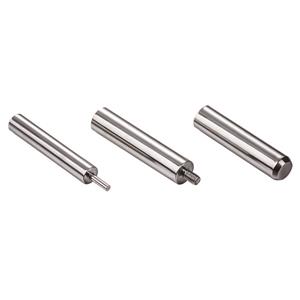
- Magnetic Rod Filters: Consist of magnetic rods (often neodymium) enclosed in tubes, used in pipelines or hoppers to capture metal particles.
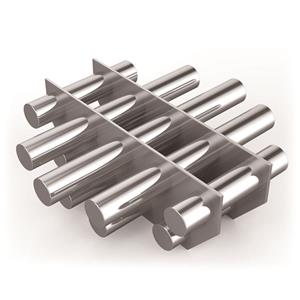
- Magnetic Grate Filters: Multiple magnetic rods arranged in a grid, ideal for free-flowing powders and granules.
- Magnetic Plate Filters: Flat magnetic plates installed in chutes or ducts, suitable for bulk materials.
- Magnetic Liquid Line Filters: Designed for liquid pipelines, using magnetic elements to trap fine iron particles.
- Electromagnetic Filters: Use electromagnets for high-intensity separation, often in high-flow or high-contamination environments.
Each type has distinct advantages and limitations, and the best choice depends on factors such as flow rate, material characteristics, and contamination level.
Key Factors in Choosing a Magnetic Filter
When evaluating which magnetic filter is better, consider the following criteria:
- Magnetic Strength: Higher magnetic strength (measured in Gauss) captures finer and more weakly magnetic particles. Neodymium magnets offer the highest strength, while ferrite magnets are cost-effective for less demanding applications.
- Material Compatibility: The filter housing and magnetic elements must be compatible with the process fluid or powder, considering factors like temperature, corrosiveness, and viscosity.
- Flow Rate and Pressure Drop: The filter design should minimize pressure drop while handling the required flow rate. Rod and grate filters typically have lower pressure drops than plate filters.
- Cleanability: Easy cleaning is crucial for maintaining efficiency. Designs that allow quick removal of captured contaminants reduce downtime.
- Durability and Maintenance: Robust construction and high-quality magnets ensure long service life and consistent performance.
- Compliance and Standards: For industries like food and pharmaceuticals, filters must meet sanitary standards (e.g., FDA, EU 1935/2004) and be easy to sanitize.
Neodymium vs. Ferrite Magnets in Magnetic Filters
The magnetic material is a critical determinant of filter performance. Neodymium (NdFeB) magnets are significantly stronger than ferrite magnets, allowing them to capture smaller and more weakly magnetic particles. However, neodymium magnets are more expensive and may require protective coatings for corrosion resistance. Ferrite magnets are cost-effective and suitable for high-temperature applications but offer lower magnetic strength. For applications requiring high separation efficiency, neodymium filters are generally better, while ferrite filters are adequate for less critical or high-volume, low-cost applications.
Design Configurations and Their Impact
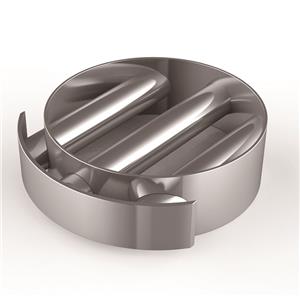
The arrangement of magnets within a filter affects capture efficiency and flow characteristics. For instance, magnetic rod filters with staggered rods create a tortuous path that increases particle capture but may also increase pressure drop. Grate filters provide a large capture area and are easy to clean, making them popular in food and chemical processing. Plate filters are simple and cost-effective but may have lower capture efficiency for fine particles. Liquid line filters often use a combination of magnetic rods and a mesh screen for comprehensive filtration.
Application-Specific Considerations
Different industries have unique requirements. In food processing, filters must be sanitary and easy to clean, often using 316L stainless steel construction. In chemical plants, corrosion resistance is paramount, requiring coatings like epoxy or PTFE. For high-temperature applications, samarium-cobalt (SmCo) magnets may be necessary as they retain magnetism at higher temperatures than neodymium. In automotive and aerospace, filters must withstand vibration and harsh conditions, often requiring robust designs and high-quality magnets.
Performance Metrics and Testing
To objectively compare magnetic filters, consider performance metrics such as:
- Capture Efficiency: The percentage of ferrous particles removed under specified conditions.
- Magnetic Field Strength: Measured at the filter surface or in the flow path.
- Pressure Drop: The difference in pressure across the filter at a given flow rate.
- Service Life: The expected duration before maintenance or replacement.
Independent testing and certifications (e.g., ISO 9001, IATF 16949) can provide assurance of quality and performance.
Cost-Benefit Analysis
While initial cost is a factor, the total cost of ownership includes maintenance, downtime, and product loss. High-efficiency filters may have a higher upfront cost but can reduce contamination-related defects and downtime, leading to long-term savings. It's essential to evaluate filters based on the specific contamination challenges and production goals.
Case Study: Selecting the Right Magnetic Filter
Consider a food manufacturer experiencing metal contamination in a chocolate production line. The flow is viscous, and the temperature is elevated. A magnetic grate filter with neodymium magnets and a sanitary design would be suitable, as it can handle viscous materials, withstand cleaning, and provide high magnetic strength. Alternatively, a magnetic rod filter in a pipeline might be chosen for a liquid application with lower viscosity. The decision hinges on the specific process parameters.
Expert Insights from XiaMen Magnet Forever Electronic Co.,Ltd.
XiaMen Magnet Forever Electronic Co.,Ltd. is a professional manufacturer of high-performance permanent magnets, including sintered NdFeB, ferrite, SmCo, and AlNiCo. Founded in 2009, the company has extensive experience in magnetic materials and applications, serving industries such as electric motors, automotive, and industrial equipment. Their magnets are widely used in magnetic separators and assemblies. With a complete production line from raw material to finished magnets, Magnet Forever ensures consistent quality and performance. They offer a range of grades (N35-N54), high-temperature grades (M, H, SH, UH, EH), and various coatings (Ni-Cu-Ni, Zinc, Epoxy, etc.) to suit diverse environments. Their ISO 9001 and IATF/TS16949 certifications underscore their commitment to quality. For B2B buyers seeking reliable magnetic components for filters, Magnet Forever provides custom solutions and technical support.
Conclusion
Determining which magnetic filter is better requires a thorough understanding of the application, including the type of contaminants, flow characteristics, and operating environment. Neodymium magnets generally offer superior performance, but ferrite magnets can be a cost-effective alternative for less demanding applications. Design configuration, cleanability, and compliance with industry standards are also critical. By partnering with experienced magnet manufacturers like XiaMen Magnet Forever Electronic Co.,Ltd., buyers can access high-quality magnetic materials and expert guidance to optimize their filtration systems.
Contact Us
For more information or to discuss your magnetic filter requirements, please contact XiaMen Magnet Forever Electronic Co.,Ltd.:
- Email: sales@magforever.com
- Phone: +86-13950107264
Our engineering team is ready to assist you with custom magnet solutions and technical support.