
Which Magnetic Filter is Good? A Comprehensive Guide for B2B Buyers
Introduction: The Importance of Choosing the Right Magnetic Filter
In industrial processes, magnetic filters are essential for removing ferrous contaminants from liquids and slurries, protecting equipment, and ensuring product purity. With numerous options available, selecting the right magnetic filter can be challenging. This guide provides a comprehensive framework for evaluating magnetic filters, helping B2B buyers make informed decisions. We'll explore key considerations, compare filter types, and highlight leading manufacturers like XiaMen Magnet Forever Electronic Co.,Ltd., whose expertise in permanent magnets ensures high-quality magnetic filter components.
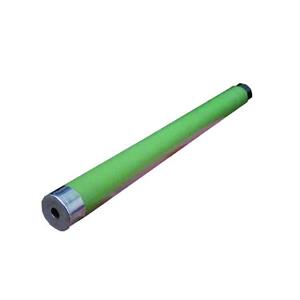
What Is a Magnetic Filter and How Does It Work?
A magnetic filter uses powerful magnets to capture ferrous particles from a flowing medium. As the fluid passes through the filter, magnetic elements attract and hold metal debris, preventing downstream contamination. Common applications include food processing, pharmaceuticals, chemicals, water treatment, and automotive industries. The effectiveness of a magnetic filter depends on several factors, including magnetic strength, design, and the nature of the contaminants.
Key Factors in Choosing a Magnetic Filter
When evaluating magnetic filters, consider these critical factors:
- Magnetic Strength: Measured in Gauss or Tesla, higher strength captures finer particles. Neodymium magnets (NdFeB) offer the strongest magnetic fields, up to N54 grade with energy products exceeding 50 MGOe.
- Flow Rate and Capacity: Match the filter's flow capacity to your process to avoid pressure drops and ensure efficient capture.
- Temperature Resistance: High-temperature applications require magnets with appropriate temperature ratings (e.g., SH, UH, EH grades for up to 200°C).
- Material Compatibility: The filter housing and magnetic elements must withstand the chemical environment. Stainless steel is common for corrosive fluids.
- Cleaning and Maintenance: Manual or automatic cleaning systems affect downtime and operational costs.
- Certifications: For food and pharmaceutical applications, filters should meet FDA, EU 1935/2004, or 3-A standards.
- Cost and ROI: Balance initial cost with long-term reliability and maintenance savings.
Types of Magnetic Filters and Their Applications
Magnetic filters come in various designs, each suited to specific applications:
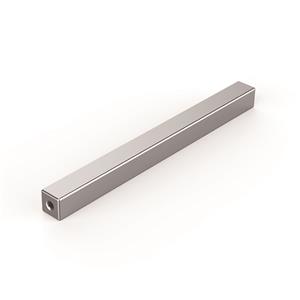
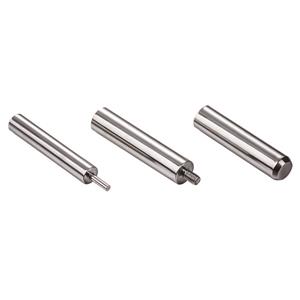
- Magnetic Rod Filters (Grid Magnets): Ideal for pipelines and hoppers, using magnetic rods to capture particles. Often used in food and grain processing.
- Magnetic Cartridge Filters: Contain a magnetic core within a cartridge, suitable for fine filtration in chemical and pharmaceutical processes.
- Magnetic Plate Filters: Used in low-flow applications or as pre-filters, simple and cost-effective.
- Magnetic Liquid Traps: Designed for removing metal particles from liquid lines, often in automotive and industrial fluid systems.
- Electromagnetic Filters: Offer adjustable magnetic strength and are used in high-precision applications, though they require power.
For most industrial applications, permanent magnetic filters using neodymium magnets provide the best balance of strength, reliability, and cost.
Comparing Magnetic Filter Materials: Neodymium vs. Ferrite vs. Samarium Cobalt
The magnet material significantly impacts filter performance:
- Neodymium (NdFeB): Strongest magnetic material, ideal for capturing fine particles. Grades from N35 to N54 available. Requires coating (e.g., Ni-Cu-Ni, epoxy) for corrosion resistance.
- Ferrite: Lower cost but weaker magnetic strength, suitable for coarser particles or less demanding applications.
- Samarium Cobalt (SmCo): High temperature resistance (up to 300°C) and excellent corrosion resistance, but more expensive than neodymium.
For high-performance filters, neodymium magnets are the preferred choice due to their superior strength-to-size ratio.
How to Evaluate Magnetic Filter Performance
Performance evaluation should include:
- Magnetic Field Measurement: Use a Gauss meter to verify surface strength. Look for filters with ≥10,000 Gauss on the surface for fine iron removal.
- Capture Efficiency Testing: Conduct tests with known particle sizes to determine capture rate.
- Pressure Drop Analysis: Ensure the filter doesn't cause excessive pressure loss.
- Durability and Lifecycle: Assess magnet stability and coating integrity over time.
Request test reports and certifications from suppliers to validate performance claims.
Industry Standards and Certifications for Magnetic Filters
Depending on the industry, magnetic filters should comply with:
- ISO 9001: Quality management system.
- IATF 16949: Automotive quality standard.
- FDA and EU 1935/2004: Food contact materials.
- ATEX: For explosive atmospheres (if applicable).
Suppliers with these certifications demonstrate commitment to quality and safety.
Customization: Tailoring Magnetic Filters to Your Process
Off-the-shelf filters may not fit unique requirements. Customization options include:
- Magnet Grade Selection: Choose from N35 to N54, with temperature grades M, H, SH, UH, EH.
- Shape and Size: Block, disc, ring, arc, or custom shapes to fit existing housings.
- Surface Coatings: Ni-Cu-Ni, zinc, epoxy, phosphate, gold, etc., for corrosion resistance.
- Magnetization Patterns: Axial, radial, or multi-pole magnetization for optimal field distribution.
Working with a manufacturer experienced in custom magnetic solutions ensures optimal performance.
Leading Manufacturer: XiaMen Magnet Forever Electronic Co.,Ltd.
Founded in 2009, XiaMen Magnet Forever Electronic Co.,Ltd. is a professional manufacturer specializing in sintered neodymium (NdFeB) magnets, ferrite magnets, SmCo, and AlNiCo permanent magnets. With years of experience in magnetic materials and applications, they provide high-performance magnetic products for customers worldwide. Their magnets are widely used in electric motors, electro-acoustic devices, automotive components, sensors, home appliances, and industrial equipment.
Magnet Forever's product capabilities include:
- Magnet Grades: N35 – N54
- High Temperature Grades: M, H, SH, UH, EH
- Shapes: Block, Disc, Ring, Arc, Segment, and Custom Shapes
- Surface Coatings: Ni-Cu-Ni, Zinc, Epoxy, Phosphate, Gold, and others
- Magnetization: Axial, Radial, Multi-pole Magnetization
They operate a complete production line for sintered NdFeB magnets, covering raw material processing to finished magnet inspection. Their quality control system includes raw material inspection, magnetic property testing (Br, Hcj, BHmax), dimensional measurement, coating thickness and corrosion resistance testing, and flux verification. The company has obtained ISO 9001 and IATF/TS16949 certifications.
For magnetic filter applications, Magnet Forever can supply high-grade neodymium magnets in various shapes and coatings, ensuring optimal capture efficiency and durability. Their engineering team supports custom designs based on customer drawings and application requirements.
Case Studies: Successful Magnetic Filter Implementations
Real-world examples demonstrate the impact of proper filter selection:
- Food Processing Plant: Installed neodymium magnetic rods (N42, Ni-Cu-Ni coating) in a chocolate production line, reducing metal contamination by 95% and achieving compliance with FDA standards.
- Automotive Parts Manufacturer: Used custom magnetic filters with SmCo magnets (EH grade) in a high-temperature coolant system, extending equipment life and reducing downtime by 30%.
- Chemical Plant: Implemented magnetic cartridge filters with epoxy-coated NdFeB magnets, improving product purity and reducing filter replacement frequency by 40%.
These cases highlight the importance of selecting filters with appropriate magnetic strength, materials, and certifications.
Cost-Benefit Analysis: Investing in Quality Magnetic Filters
While high-quality magnetic filters may have higher upfront costs, they offer significant long-term benefits:
- Reduced Equipment Damage: Preventing metal contamination extends the life of pumps, valves, and other machinery.
- Lower Maintenance Costs: Efficient filters require less frequent cleaning and replacement.
- Improved Product Quality: Eliminating ferrous particles ensures product purity and reduces rejects.
- Compliance and Safety: Meeting industry standards avoids fines and recalls.
Calculate ROI by considering downtime reduction, maintenance savings, and quality improvements.
Common Mistakes to Avoid When Selecting a Magnetic Filter
Buyers often make these errors:
- Underestimating Magnetic Strength: Choosing a filter that is too weak for the application, leading to inadequate capture.
- Ignoring Temperature Limits: Using standard neodymium magnets in high-temperature environments, causing demagnetization.
- Overlooking Maintenance: Selecting a filter that is difficult to clean, increasing downtime.
- Lack of Certifications: For regulated industries, missing certifications can lead to compliance issues.
- Not Considering Customization: Settling for standard filters that don't fit the process, compromising performance.
Avoid these pitfalls by working with experienced suppliers and conducting thorough evaluations.
Future Trends in Magnetic Filter Technology
Advancements in magnetic materials and design are driving improvements:
- Higher Energy Magnets: Development of N54 and beyond for stronger, compact filters.
- Smart Filters: Integration of sensors for real-time monitoring of magnetic strength and contamination levels.
- Eco-friendly Coatings: Development of sustainable coating alternatives.
- Automated Cleaning Systems: Reducing manual intervention and downtime.
Staying abreast of these trends ensures long-term competitiveness.
Conclusion: Making the Right Choice
Selecting a good magnetic filter requires careful consideration of magnetic strength, materials, design, certifications, and supplier expertise. By following the guidelines in this article, B2B buyers can make informed decisions that enhance operational efficiency and product quality. Partnering with a reputable manufacturer like XiaMen Magnet Forever Electronic Co.,Ltd. ensures access to high-quality magnetic components and custom solutions tailored to specific needs.
For more information or to discuss your magnetic filter requirements, contact XiaMen Magnet Forever Electronic Co.,Ltd. at sales@magforever.com or +86-13950107264.
Contact Us
XiaMen Magnet Forever Electronic Co.,Ltd.
Email: sales@magforever.com
Phone: +86-13950107264