
How to Choose a Magnetic Filter: A Comprehensive Guide for B2B Buyers
Introduction
Magnetic filters are essential components in many industrial processes, used to capture ferrous contaminants from liquids and gases to protect equipment, ensure product purity, and improve operational efficiency. Choosing the right magnetic filter is critical for optimal performance and cost-effectiveness. This guide provides a systematic approach to selecting a magnetic filter, covering key considerations, material options, and practical tips. Whether you are in food processing, chemical manufacturing, or water treatment, this article will help you make an informed decision.
Understanding Magnetic Filters
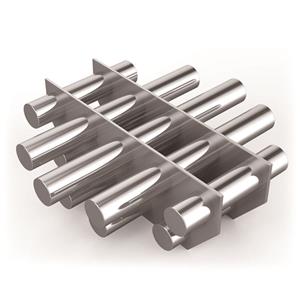
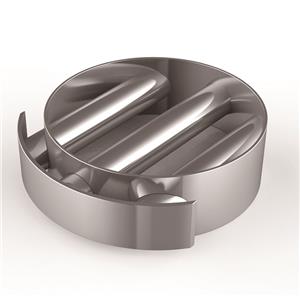
Magnetic filters use powerful magnets to attract and hold ferromagnetic particles from a flow stream. They are commonly used in pipelines, cooling systems, and lubrication circuits. The core components include a magnet assembly, a housing, and often a filter mesh or matrix to enhance capture. The effectiveness depends on magnetic strength, flow characteristics, and the nature of the contaminants.
Key Factors in Choosing a Magnetic Filter
1. Magnetic Strength and Grade
The magnetic strength is the most critical factor. Stronger magnets capture finer particles and perform better in high-flow conditions. Neodymium magnets (NdFeB) are the strongest permanent magnets available, offering high remanence and coercivity. Grades range from N35 to N54, with higher numbers indicating stronger magnetic energy. For high-temperature applications, choose grades with suffixes like M, H, SH, UH, or EH, which denote increased heat resistance. For example, an N42SH magnet can operate at temperatures up to 150°C. When selecting, consider the particle size to be captured: finer particles require higher magnetic strength.
2. Flow Rate and Pressure Drop
The filter must handle the system's flow rate without causing excessive pressure drop. A well-designed magnetic filter balances magnetic capture efficiency with low resistance to flow. Consider the viscosity of the fluid and the pipe diameter. Typically, magnetic filters are sized based on the pipeline size and flow velocity. Consult flow charts provided by manufacturers to select a model that maintains pressure drop within acceptable limits, often below 0.5 bar.
3. Filter Housing and Connection
The housing material must be compatible with the fluid and operating conditions. Common materials include stainless steel (304 or 316) for corrosion resistance, carbon steel for cost-effective general use, and plastic for chemical compatibility. Connection types include threaded, flanged, or welded, depending on the pipeline. Ensure the housing can withstand the system pressure and temperature. For sanitary applications, choose housings with smooth interiors and crevice-free designs.
4. Filter Media and Matrix
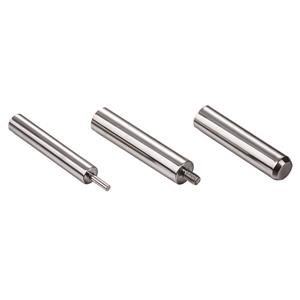
Many magnetic filters incorporate a filter mesh or matrix to improve capture of non-magnetic particles and enhance magnetic field distribution. The mesh size (micron rating) determines the size of particles captured. A finer mesh captures smaller particles but may increase pressure drop. Some designs use magnetic rods or grids to create a high-gradient magnetic field, which is effective for capturing fine iron particles. Consider the cleanability: easy-to-clean designs reduce maintenance downtime.
5. Temperature and Chemical Compatibility
Operating temperature affects magnet performance. Neodymium magnets lose strength at elevated temperatures, so choose a grade with suitable maximum operating temperature. For high-temperature applications beyond 200°C, samarium-cobalt (SmCo) magnets are a better choice. Also, ensure all wetted parts are chemically compatible with the fluid to prevent corrosion and contamination.
6. Maintenance and Cleaning
Magnetic filters require periodic cleaning to remove captured contaminants. Consider the ease of disassembly and cleaning. Manual cleaning involves removing the magnet assembly and wiping it down. Automatic or self-cleaning designs are available for continuous operation but come at a higher cost. Evaluate the maintenance frequency based on contaminant load and the criticality of the process.
7. Quality and Certification
Choose filters from manufacturers with robust quality control. Certifications such as ISO 9001 and IATF 16949 indicate adherence to quality management systems. For food and pharmaceutical applications, look for FDA-compliant materials and sanitary designs. Request test reports for magnetic strength and material composition.
Magnetic Material Selection: Neodymium vs. Ferrite vs. SmCo
The choice of magnetic material significantly impacts performance and cost. Neodymium magnets offer the highest strength, allowing compact designs and capture of fine particles. Ferrite magnets are cost-effective but weaker, suitable for less demanding applications. Samarium-cobalt magnets excel in high-temperature and corrosive environments but are more expensive. For most industrial applications, neodymium magnets provide the best balance of performance and cost.
Step-by-Step Selection Process
1. Define the application: fluid type, flow rate, temperature, pressure, and contaminant size and concentration.
2. Determine the required magnetic strength based on particle size and flow velocity.
3. Select the magnet material and grade: neodymium for high strength, SmCo for high temperature, ferrite for budget.
4. Choose housing material and connection type compatible with the system.
5. Decide on filter media (mesh size) and matrix design.
6. Evaluate maintenance requirements and cleaning method.
7. Verify manufacturer certifications and quality standards.
8. Request samples or pilot testing if possible.
Common Pitfalls to Avoid
- Undersizing the filter for the flow rate, leading to excessive pressure drop.
- Ignoring temperature effects on magnet strength.
- Using incompatible materials causing corrosion.
- Neglecting maintenance, resulting in clogging and reduced efficiency.
- Choosing a low-quality magnet with inconsistent strength.
Case Study: Selecting a Magnetic Filter for a Cooling Water System
A chemical plant needed to remove iron rust particles from its cooling water loop. The flow rate was 20 m³/h, temperature 40°C, and pipe diameter 3 inches. They selected a neodymium magnetic filter with N42 grade magnets, stainless steel 316 housing, and a 100-micron mesh. The filter was installed in a bypass line to allow cleaning without shutdown. After installation, iron levels dropped by 90%, reducing equipment fouling and maintenance costs.
Why Choose XiaMen Magnet Forever Electronic Co.,Ltd. for Your Magnetic Filter Needs
Founded in 2009, XiaMen Magnet Forever Electronic Co.,Ltd. is a professional manufacturer specializing in sintered neodymium (NdFeB) magnets, ferrite magnets, samarium-cobalt (SmCo) magnets, and aluminum-nickel-cobalt (AlNiCo) magnets. With years of experience in magnetic materials and applications, they provide high-performance magnetic products for customers worldwide. Their magnets are widely used in electric motors, electro-acoustic devices, automotive components, sensors, home appliances, and industrial equipment, including magnetic filters.
Product Capabilities:
- Magnet Grades: N35 – N54
- High Temperature Grades: M, H, SH, UH, EH
- Shapes: Block, Disc, Ring, Arc, Segment, and Custom Shapes
- Surface Coatings: Ni-Cu-Ni, Zinc, Epoxy, Phosphate, Gold, and others
- Magnetization: Axial, Radial, Multi-pole Magnetization
Manufacturing Capability:
Magnet Forever operates a complete production line for sintered NdFeB magnets, covering raw material preparation, alloy melting and strip casting, hydrogen decrepitation and jet milling, magnetic field pressing, vacuum sintering and aging treatment, precision machining, surface coating, and magnetization and final inspection. This integrated process ensures consistent magnetic performance, dimensional accuracy, and long-term reliability.
Quality Control:
The company has obtained ISO 9001 Quality Management Certification and IATF/TS16949 Automotive Quality Certification. Their quality control includes raw material inspection, magnetic property testing (Br, Hcj, BHmax), dimensional measurement, coating thickness and corrosion resistance testing, and flux and magnetization verification.
Industries Served:
Electric Motors, Electro-Acoustic Devices, Automotive Industry, Consumer Electronics, Industrial Equipment, and magnetic separators.
Why Choose Magnet Forever:
- Experienced Magnet Manufacturer – Over a decade of industry experience
- Stable Magnetic Performance – Strict process and quality control
- Wide Product Range – Multiple grades, shapes, and coatings
- Customization Capability – OEM and application-specific solutions
- Reliable Global Supply – Serving customers worldwide
For magnetic filter applications, Magnet Forever can supply high-grade neodymium magnets in various shapes and coatings, tailored to your specific requirements. Their engineering team is ready to support your project with professional magnet design, material selection, and production solutions.
Conclusion
Choosing the right magnetic filter requires careful consideration of magnetic strength, flow rate, materials, and maintenance. By following the guidelines in this article, you can select a filter that meets your operational needs and ensures long-term reliability. Partnering with a reputable magnet manufacturer like XiaMen Magnet Forever Electronic Co.,Ltd. can provide you with high-quality magnetic components and expert support. Contact them today to discuss your magnetic filter requirements.
Contact Us
Email: sales@magforever.com
Phone: +86-13950107264